| ◈ Project Overview |
🔥 Status of Project Available for Transfer:Humanized NRP1 × Siglec-15 Bispecific Antibody 🏷️ Platform Project Number:PG0001 📅 Listed Date:January 2026 📊 Current Stage:In vitro and in vivo validation completed ⭐ Project Evaluation:The humanized NRP1 × Siglec-15 bispecific antibody (PG0001) has undergone biochemical affinity validation, cellular-level affinity validation, and mouse in vivo testing, demonstrating high potential for drug development. Contact us for more information. |
| ◈ Background Introduction |
Neuropilin-1 (NRP1) and Siglec-15 are two emerging and functionally complementary regulators within the tumor immune microenvironment (TIME). These molecules contribute to tumor progression through distinct mechanisms involving tumor-supportive signaling pathways and immune suppression, respectively, providing a strong biological rationale for simultaneous targeting using a bispecific antibody approach.
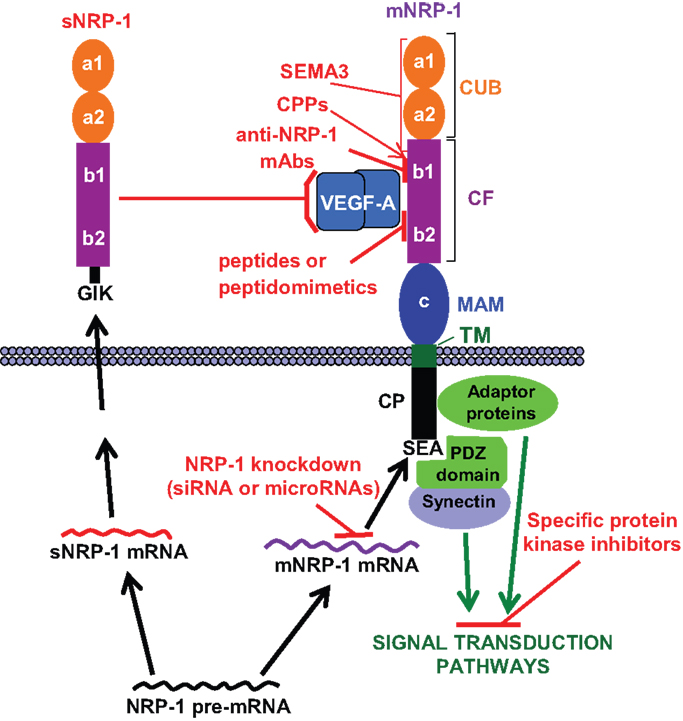
NRP1 is a transmembrane glycoprotein originally identified as a co-receptor involved in axon guidance and angiogenesis. It is overexpressed in a wide range of solid tumors and functions as a co-receptor for ligands such as VEGF-A and semaphorins, thereby promoting tumor angiogenesis, cell migration, and invasive behavior. Importantly, NRP1 is highly expressed on regulatory T cells within the tumor microenvironment, where it contributes to Treg stability and immunosuppressive activity, facilitating tumor immune escape.
Siglec-15 is a recently identified immune suppressive molecule of the Siglec family, predominantly expressed on tumor-associated macrophages, dendritic cells, and certain tumor cells. Siglec-15 suppresses T-cell activation and effector functions through sialic acid–dependent inhibitory signaling. Notably, Siglec-15 expression is often mutually exclusive or inversely correlated with PD-L1, highlighting its potential as an alternative immune checkpoint target, particularly in patients with limited response to PD-1/PD-L1 blockade.
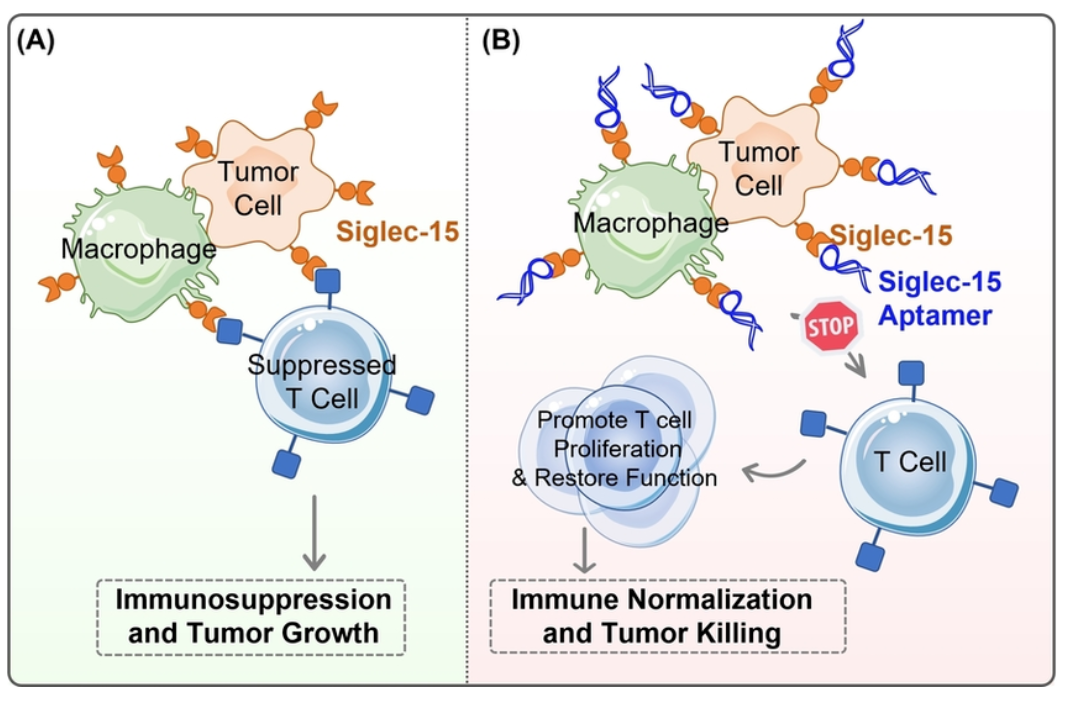
Mechanistically, NRP1 primarily modulates tumor-supportive and immunosuppressive components of the microenvironment, whereas Siglec-15 directly mediates inhibitory immune signaling. A bispecific antibody targeting both NRP1 and Siglec-15 enables coordinated disruption of these complementary pathways within a single therapeutic modality, potentially enhancing antitumor immune responses and broadening the applicability of cancer immunotherapy.
Based on this strong mechanistic and immunological rationale, the NRP1 × Siglec-15 bispecific antibody program represents a differentiated and promising strategy in cancer immunotherapy.
References:
[1] Wang Y, Wang J, Liu G, Yi X, Wu J, Cao H, Zhang L, Zhou P, Fan Y, Yu Y, Liu Q, Yao Z, Wang H, Zhou J. NRP1 instructs IL-17-producing ILC3s to drive colitis progression. Cell Mol Immunol. 2025 Feb;22(2):161-175. doi: 10.1038/s41423-024-01246-7. Epub 2025 Jan 1. PMID: 39741194; PMCID: PMC11782674.
[2] Cao G, Xiao Z, Yin Z. Normalization cancer immunotherapy: blocking Siglec-15! Signal Transduct Target Ther. 2019 Apr 19;4:10. doi: 10.1038/s41392-019-0045-x. PMID: 31016034; PMCID: PMC6473001.